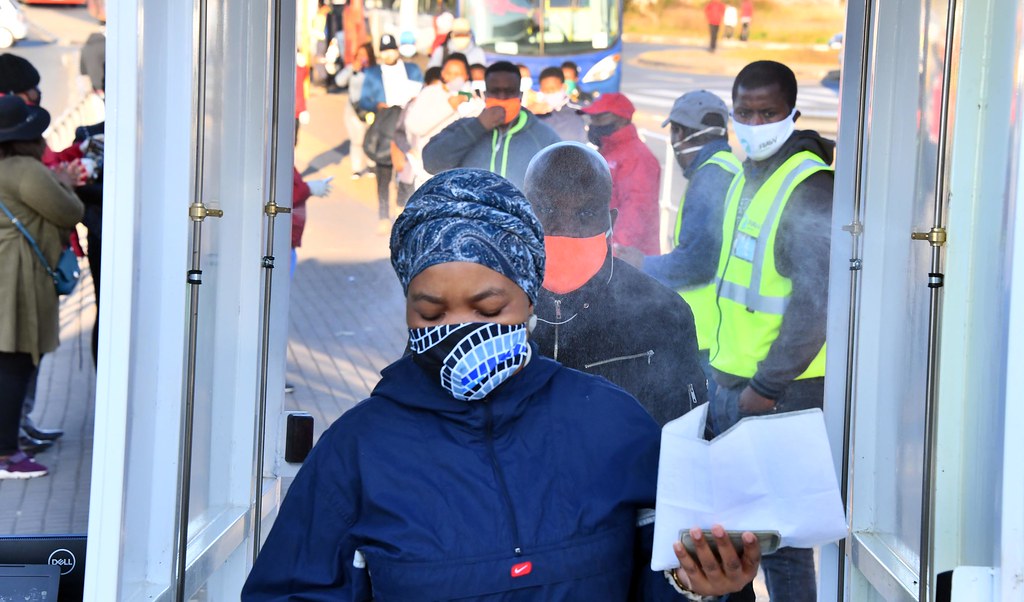
Metropolitan municipalities in South Africa face uncertain governance as election results leave major cities without clear leadership. With no single party winning outright control in Johannesburg, Tshwane, Ekurhuleni, and eThekwini, political negotiations will determine how these cities manage finances, infrastructure, and economic support. Business leaders are urging stability, fearing prolonged uncertainty could harm local economies. The lack of clear coalitions raises concerns about delayed decision-making and inconsistent policy implementation. Political parties must now agree on power-sharing arrangements to ensure effective governance. The outcome will shape public services and economic development in these key urban centers. The situation highlights the challenges of forming stable coalitions in a fragmented political landscape. Business representatives stress the need for swift and transparent negotiations to avoid prolonged administrative paralysis. The success of these talks will be crucial for maintaining public trust and economic growth. This political uncertainty underscores the importance of consensus-building in South Africa’s local governance.
Business calls for stable coalitions in South African metros