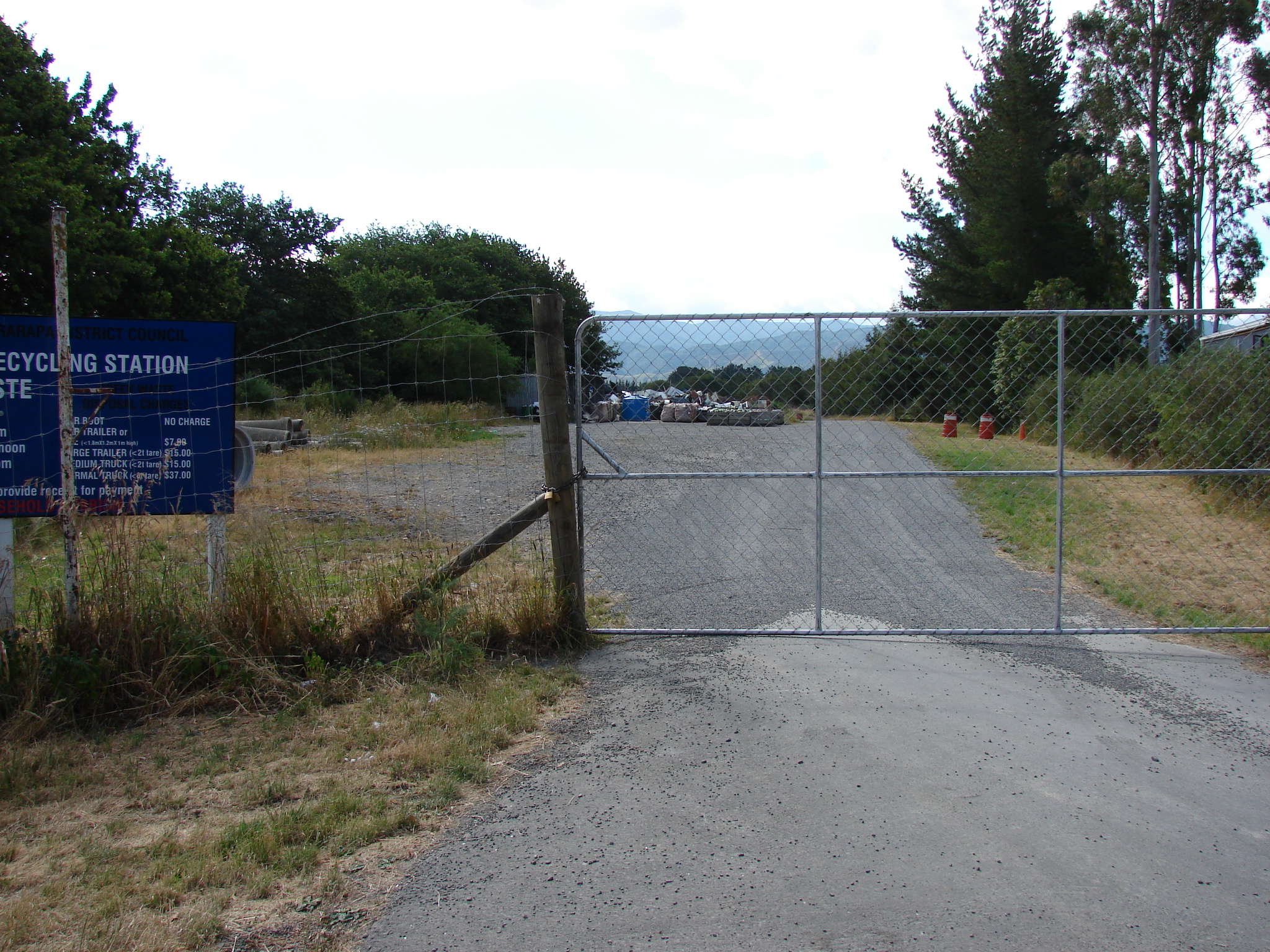
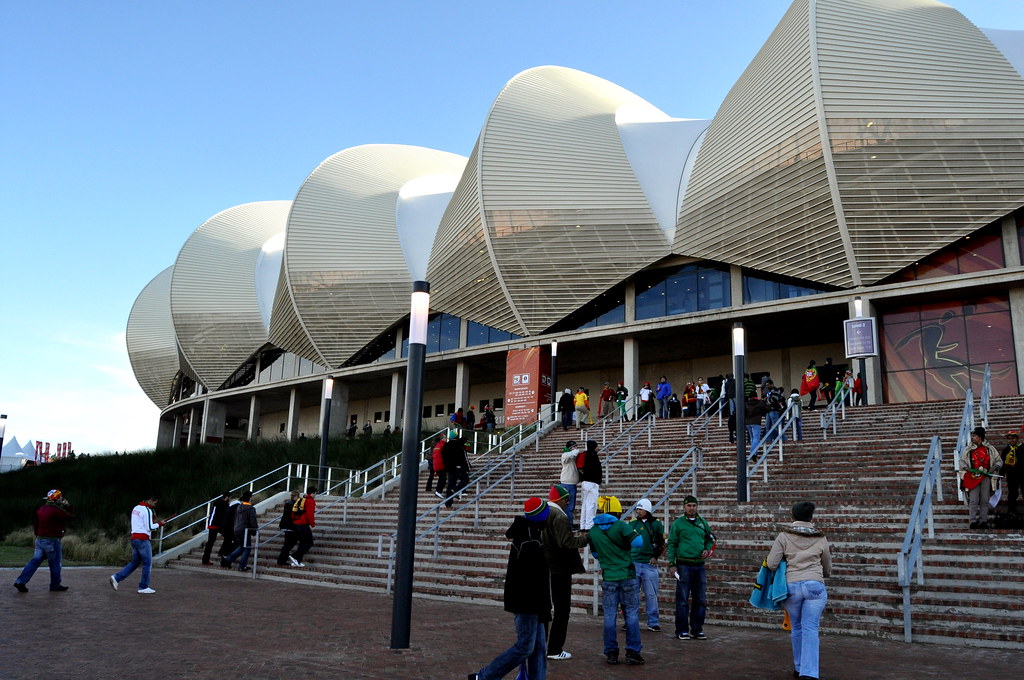
A two-room voting station in South Africa has drawn attention for symbolizing the economic divide between voters. The facility, located in an underserved area, contrasts sharply with the infrastructure seen in wealthier regions. The limited space and basic conditions raise questions about the feasibility of political promises in such environments.
The structure, used for electoral voting, reflects the broader socio-economic challenges faced by many communities. Local officials noted that the station serves a population with limited access to basic services. This situation underscores the gap between political aspirations and the realities on the ground.
The disparity in infrastructure highlights long-standing inequalities. While some areas benefit from modern facilities, others remain underdeveloped. This contrast is not new, but it has become more visible during recent elections. The conditions at the polling station have sparked discussions about the effectiveness of political strategies in addressing these disparities.
The event has prompted calls for greater investment in public infrastructure. Activists and community leaders emphasize the need for policies that reflect the lived experiences of citizens. The situation remains a focal point for debates on governance and development.