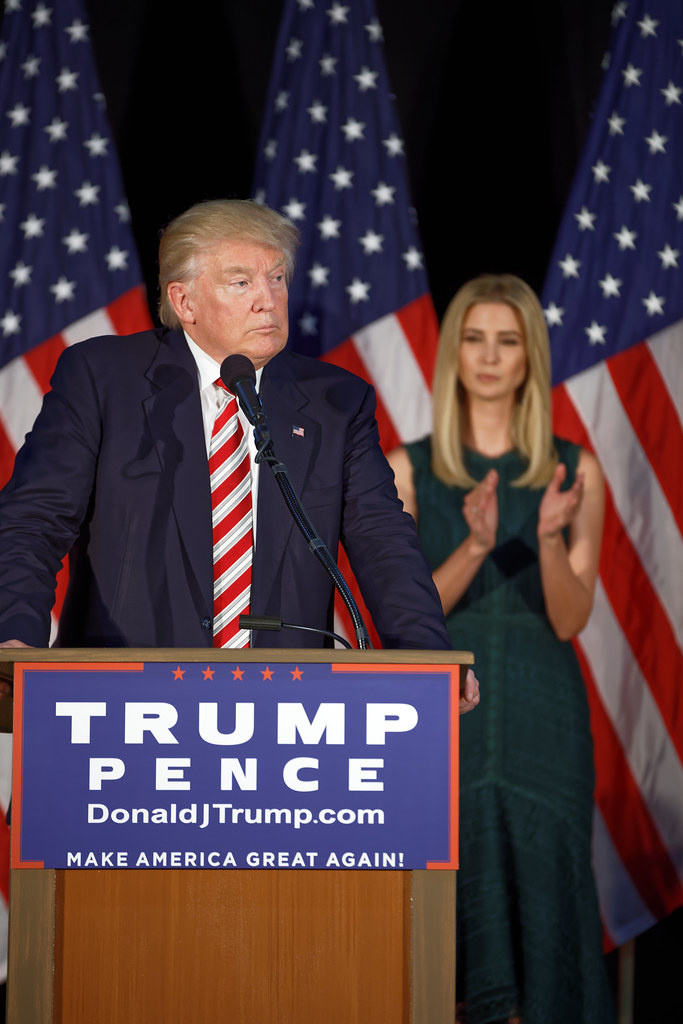
US officials announced sanctions against the International Criminal Court (ICC) on Friday, shortly after a former judge linked to former President Donald Trump was awarded the Nobel Peace Prize. The sanctions, issued by the Trump administration, target the ICC’s leadership and staff, citing the court’s alleged bias against US interests. The move comes amid heightened tensions between the US and international judicial bodies.
The sanctions include asset freezes and travel bans on ICC officials, including its president and prosecutor. The administration claims the ICC has engaged in politically motivated investigations, particularly against US personnel. The timing of the sanctions, just hours after the Nobel Prize announcement, has raised questions about the connection between the two events.
This is not the first time the US has criticized the ICC. In 2017, President Trump withdrew the US from the Rome Statute, which established the court, calling it a “disaster” for US interests. The current sanctions follow a pattern of US resistance to international judicial oversight, particularly in cases involving US citizens or officials. The ICC has previously investigated former US officials, including former President Barack Obama and former Secretary of State Hillary Clinton.
The Nobel Prize win for the former judge, who served on the US Supreme Court, has sparked debate about the political implications of the award. While the prize is typically reserved for individuals or organizations promoting peace, the timing and context have led to speculation about the influence of political figures in the decision. The US government has not commented directly on the Nobel Prize, focusing instead on its legal arguments against the ICC.